

Queens is New York’s most diverse borough, and it’s no surprise that a mix of architectural styles can be found here. The rich cultural influences lead to truly unique homes. Here are five main features characteristic of Queens’ buildings as highlighted by the Spanish-born architect and artist Rafael Herrín-Ferri in his book All the Queens Houses. Read on queens-future.com to learn more.
Bright Colors
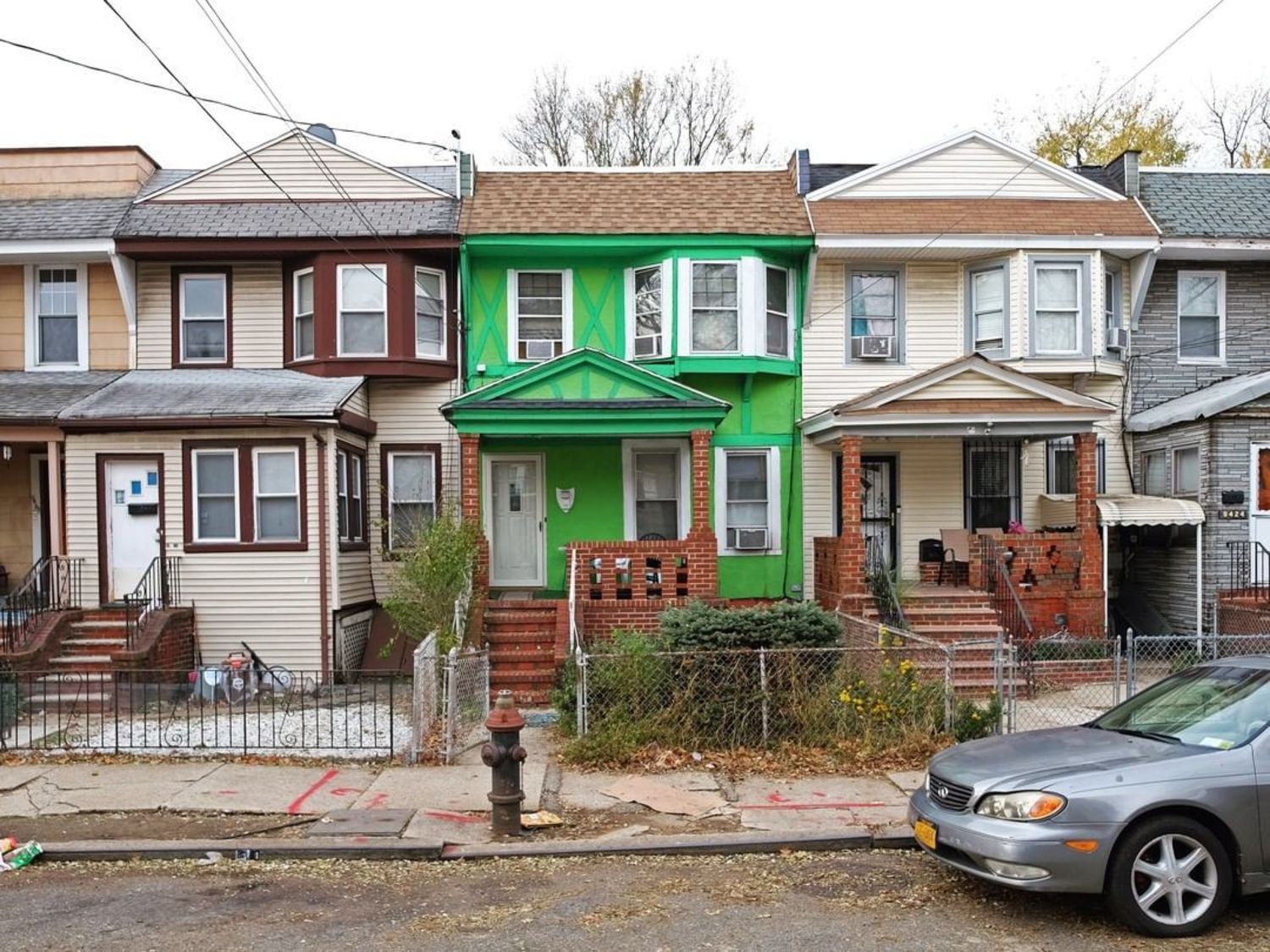
One of the boldest ways Queens residents personalize their homes is through colorful painting. It’s common to see splashes of blue, green, yellow, or pink among rows of muted-toned houses. Sometimes the paint colors extend to fences, awnings, driveways, and sidewalks. Moreover, these colors are more than a means to stand out; they also represent cultural heritage, as the colors often hold cultural significance.
Notably, though over a million foreign-born residents call Queens home, its buildings have largely remained unnoticed. Thanks to Rafael Herrín-Ferri, these buildings have become objects of interest for artists and architecture enthusiasts. From 2013 to 2020, he photographed and documented the borough’s structures. In his book All the Queens Houses, each photo is accompanied by text, detailing the vibrant history of renovations and architectural features.
Rafael Herrín-Ferri earned his Bachelor of Architecture degree from Cornell University in 1996. He worked in architectural studios in San Francisco and Barcelona for six years before returning to New York in 2003, where he completed two private home projects inspired by local fauna. His longstanding interest in vernacular architecture led him to create a photo project documenting the unique residential styles in his hometown borough of Queens.
Decorative Fences
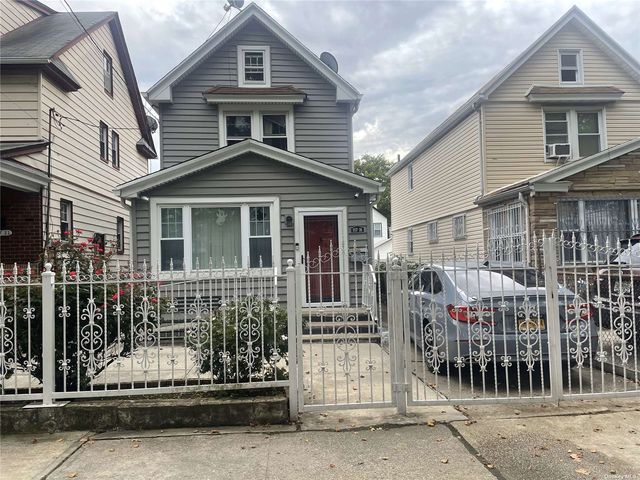
Queens’ homes are also distinguished by their unique fences. Across the borough, fences are made from various materials, most commonly wrought iron or stainless steel. These fences often display decorative patterns and symbols, some merely ornamental and others with cultural significance. Fences may even signify social status, with decorative lions frequently found atop fence posts in Queens.
One company specializing in both decorative and standard fencing in Queens is Paradise Fence, founded in 2001 by Alex Weston. The success of Paradise Fence is attributed to its continual integration of innovative fencing technologies, vibrant color schemes, advanced installations, and quality craftsmanship. From vinyl to chain-link fences, all are designed with security and aesthetic appeal in mind, enhancing the appearance of homes and offices. The company uses only high-quality materials in its construction.
Contrasting Facades
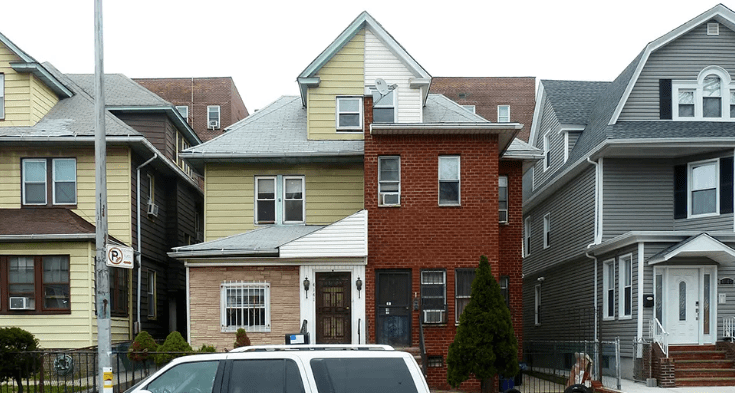
In Queens, it’s common to see houses with vastly different facades standing side by side. For example, one building may be made of brick, while its neighbor is clad in vinyl siding. Different homes coexist in the same space, showcasing Queens’ cultural and architectural diversity. One homeowner may dislike a gabled roof, while another may wish to keep it. Another neighbor might add stone accents to the front. One side of a house might be stuccoed, while the other is stone-clad. This variety truly captivates and intrigues.
While Manhattan is known for its skyscrapers and Brooklyn for its brownstones, Queens is characterized by its abundance of single-family homes. As Rafael Herrín-Ferri wrote in his book, Queens has many residential blocks that closely resemble one another, forming an “urban fabric.” However, as owners change, so do the homes. They transform and “acquire new identities,” reflecting the aesthetic and cultural tastes of their residents. Although this happens everywhere, in Queens, it is particularly visible due to the borough’s strong connections to people’s heritage. With so many single-family homes, there’s ample space for creative expression—something that’s limited in high-rise apartment buildings.
Apart from the physical aspects of the houses, Herrín-Ferri also observed social elements in their design. His favorite area in the borough is Van Cleef Street in the Corona neighborhood. The two-story houses there feature “caged balconies” facing the busy street rather than the backyard. This architectural feature encourages social interaction among neighbors.
Ornate Doors
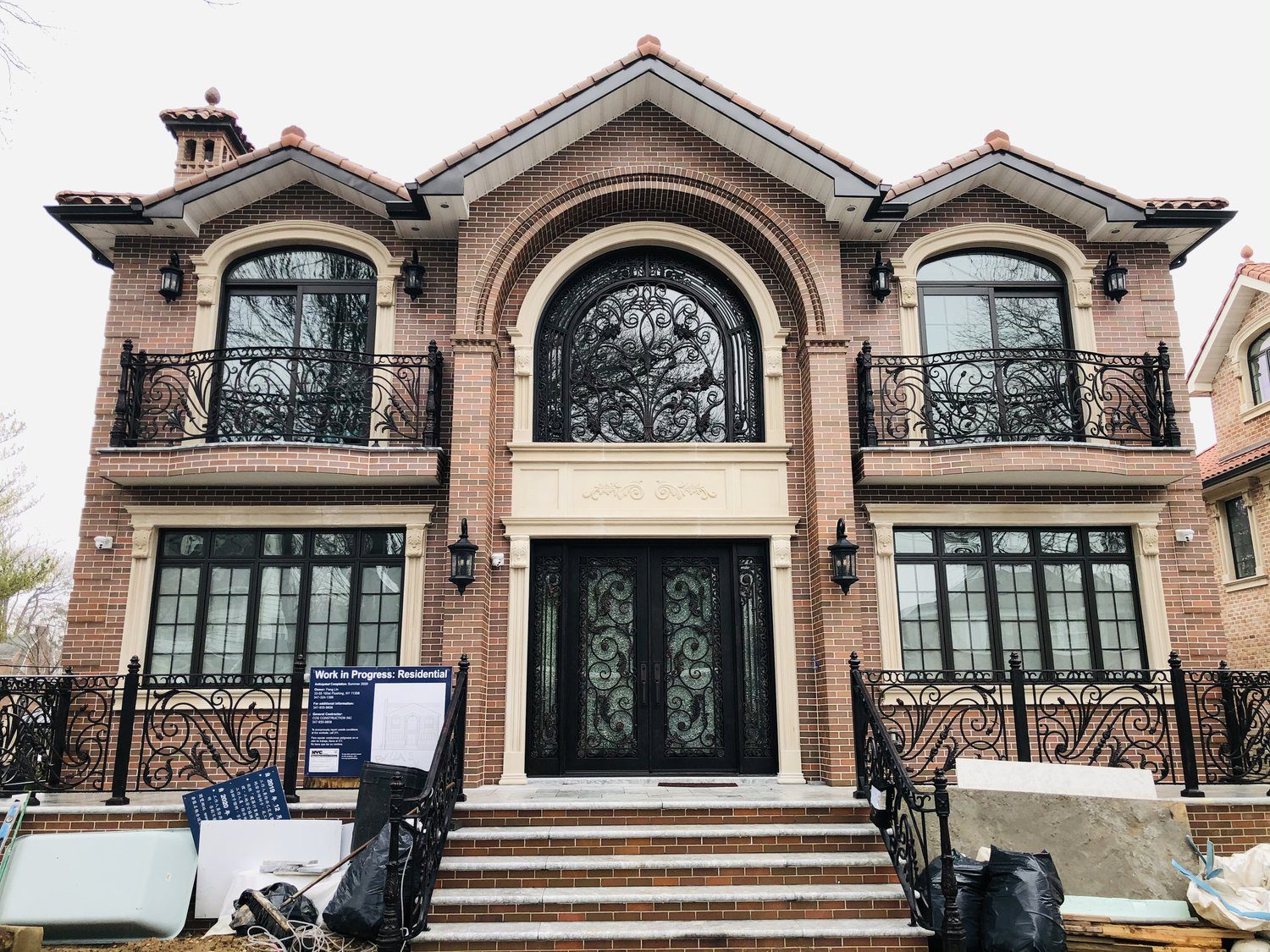
Like facades and fences, Queens residents love to decorate their doors. The variety of colors and rich architectural elements fulfill people’s desire to showcase luxury, presenting a visually appealing scene to the public. One supplier of such doors in Queens is TDC DOORS, which has been producing both entry and interior doors since 2001. Their offerings include wrought iron, wood, iron, and more.
Well-Maintained Lawns and Gardens
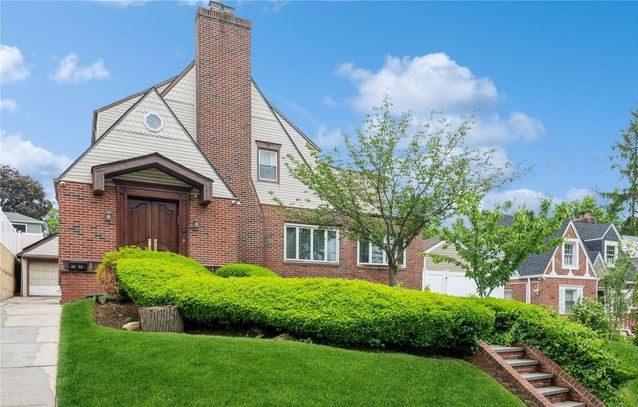
Lawns and gardens provide another space for Queens residents to express themselves. Some opt simply to maintain their plants, while others adorn their yards with sculptures, water features, and decorative figures. Some lush gardens in Queens resemble English landscapes surrounding castles. Regardless, outdoor space always serves as an extension of the architectural expression of a home.
Queens is home to numerous companies that maintain lawns and gardens. For example, EDEN creates entirely unique and customized landscape designs that suit clients’ needs, budgets, and property aesthetics. Lawn care demands special attention in the spring, yard work is common in the summer, planting is best in the fall, and snow removal services are essential in winter.
SYNLawn New York has earned a reputation as a leading supplier of artificial grass. Specialists here help design residential and commercial landscapes with advanced artificial turf made from plant-based materials and cutting-edge technology. Artificial grass eliminates the need for traditional lawn care and requires less time for mowing, watering, and reseeding. This helps save on water bills and reduces overall water consumption. Additionally, artificial grass prevents carbon emissions from gas-powered mowers. The company also produces “living” walls made from the latest artificial foliage.
Moreover, SYNLawn designs grass areas for golf and playgrounds, ensuring safety compliance. It was one of the first companies to recognize the need for IPEMA-certified artificial turf systems for playgrounds. Their lawns undergo lab testing to reduce fall heights up to 10 feet and protect against common scrapes and bruises. There are even lawns designed for pets. Because pet grass requires minimal upkeep, it’s incredibly easy to clean. Additionally, the state-of-the-art filler, free of chemicals and metals, effectively reduces stains, odors, and microbes.