

Apartments in Queens have evolved with each passing decade, adapting to the changing market and needs of residents. Apartments have become a symbol of the borough, central to the urban experience. Read further at queens-future to learn about how the housing market in Queens has developed.
Early Apartments in Queens
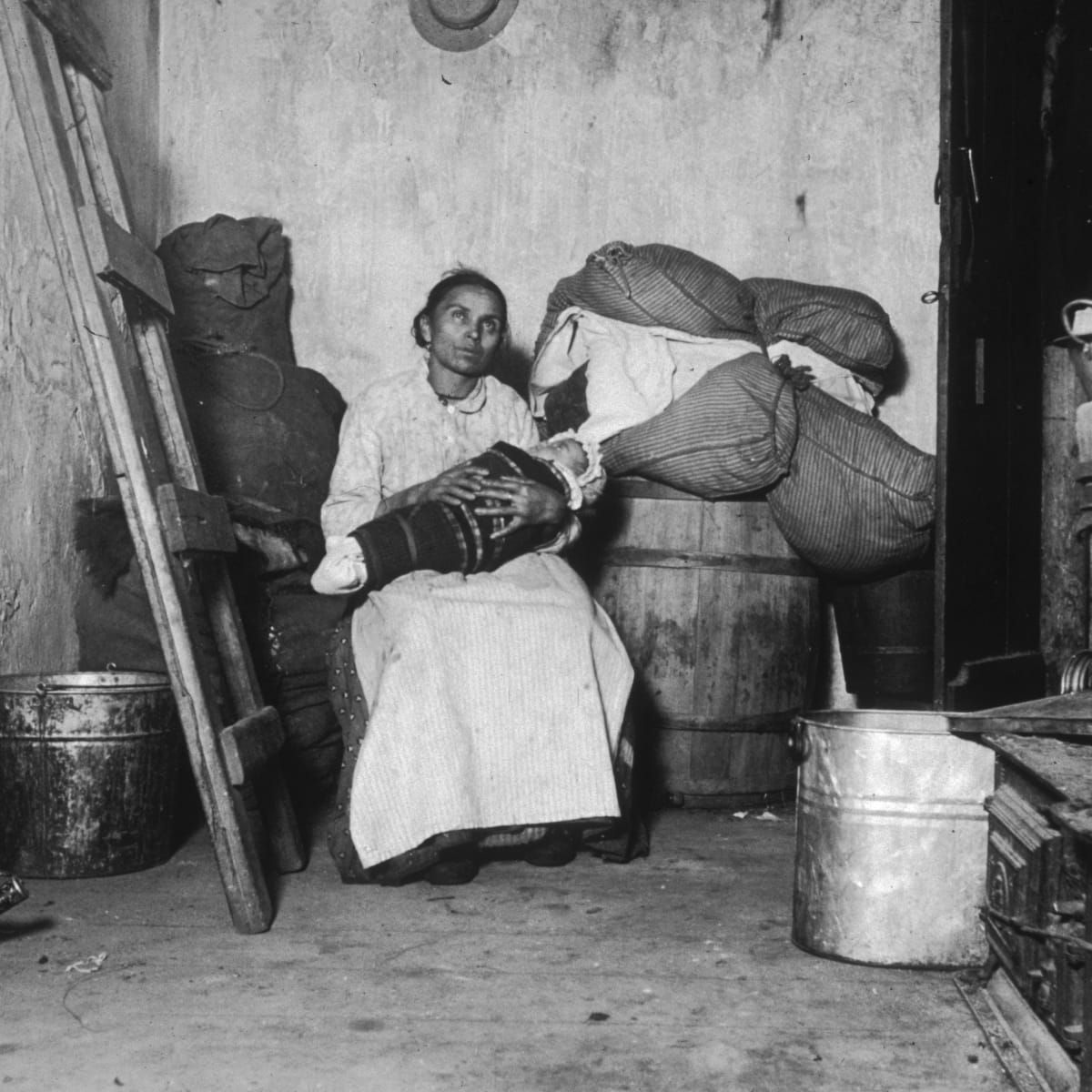
In the 1800s, most people in Queens lived in single-story row houses. As the borough’s population grew, row houses were demolished to make way for multi-unit buildings. The first multi-family homes, known as “tenements,” were developed by notable builders. These buildings, despite lacking comfortable living conditions, attracted affluent citizens and middle-class residents.
Externally, tenements resembled single-family row houses with simple designs and were divided into multiple units. Beginning in 1815, single-family homes were converted into boarding houses, driven by a surge in immigration to New York City. Developers operated without laws or regulations, cutting costs in construction, and many buildings lacked gas, electricity, or bathrooms. Toilets were shared per floor, and kitchens were cramped with poor ventilation.
Living conditions were difficult, with overcrowded rooms, inadequate lighting, and ventilation issues. Rooms were often small, with only one window opening to the building’s interior, making air circulation a mere dream.
The First Housing Laws
Housing conditions began to improve due to two laws enacted by the New York City government. The first law, established in 1867, prohibited more than 20 people from living in one apartment. The second law required apartment windows to face the street, allowing fresh air to enter the rooms.
After the introduction of these laws, improvements were gradual. With advances in technology and additional regulations, housing conditions evolved. By the late 1890s, apartments like the “Stuyvesant” were built for affluent residents. Other residential complexes soon followed, addressing the need for increased housing to accommodate the growing population. French-style apartments became popular, attracting upper- and middle-class residents with amenities like bathrooms, toilets, and better lighting.
Building Development and Improved Living Conditions
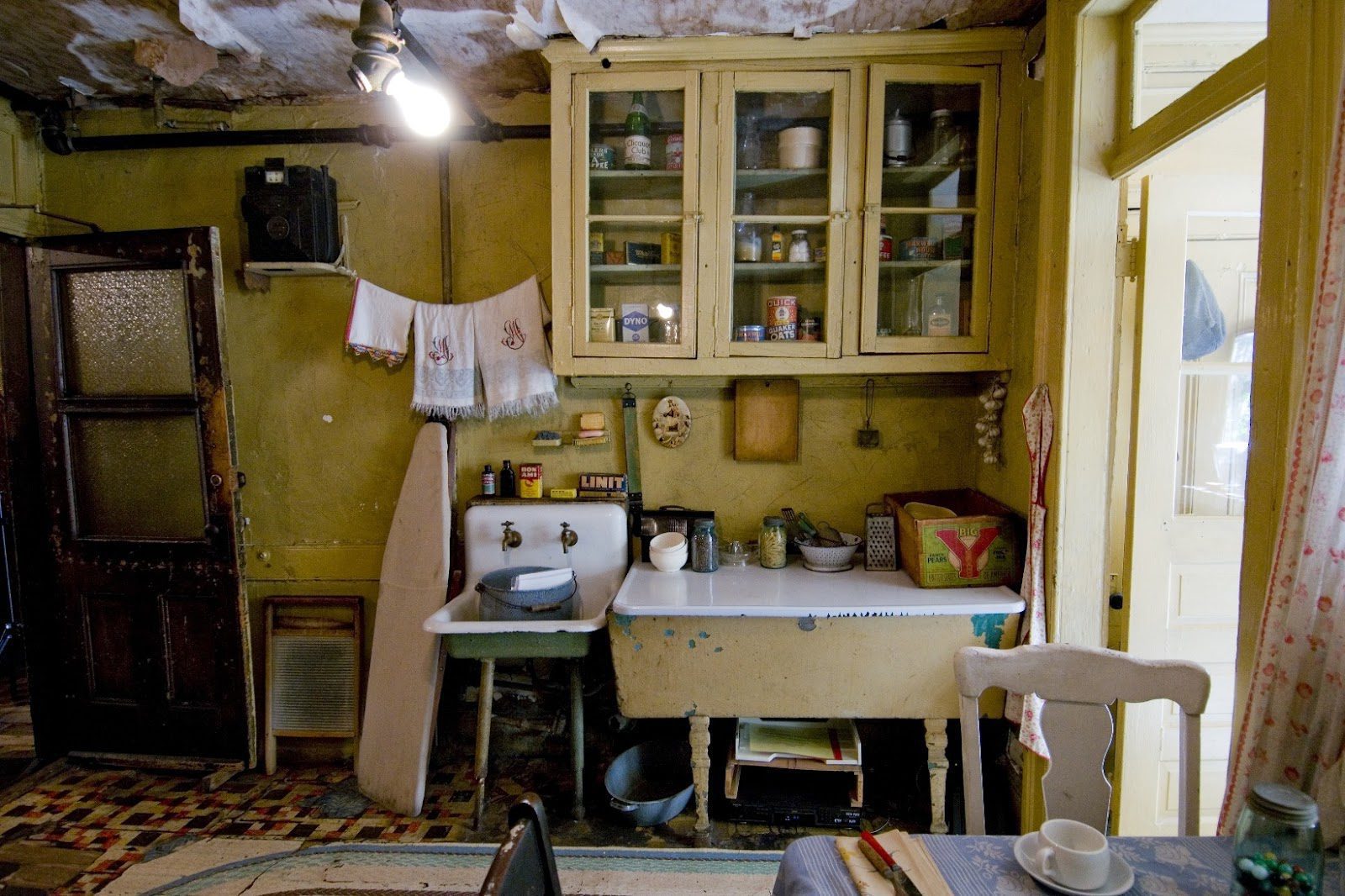
The 1900s marked the beginning of a new era for multi-family buildings, featuring a diversity of architectural designs and layouts. Queens was at the forefront of this architectural expansion, with the Queensboro Corporation leading construction efforts, also contributing to railway development in the area.
Driven by demographic and cultural changes, the cost of living in the city rose. In 1902, renting an apartment in a quality building ranged from $8 to $20 per month—a significant amount, as unskilled workers earned roughly $2 per day. Thus, renting an apartment was costly for many immigrants.
The most significant surge in rent prices came in the 1980s when rental rates exceeded $1,500. Decades of evolution and change ultimately led to the construction of today’s modern, luxurious homes and apartments. These contemporary buildings not only enhance Queens aesthetically but also provide safe, comfortable housing for its diverse population.