

In the 20th century, Queens experienced several waves of rapid growth, and its architecture evolved and developed. After the First and Second World Wars, the borough transformed into an integrated part of the metropolis. Discover the factors that shaped the architecture of Queens and what it looked like in detail in the article on queens-future.
How It All Began
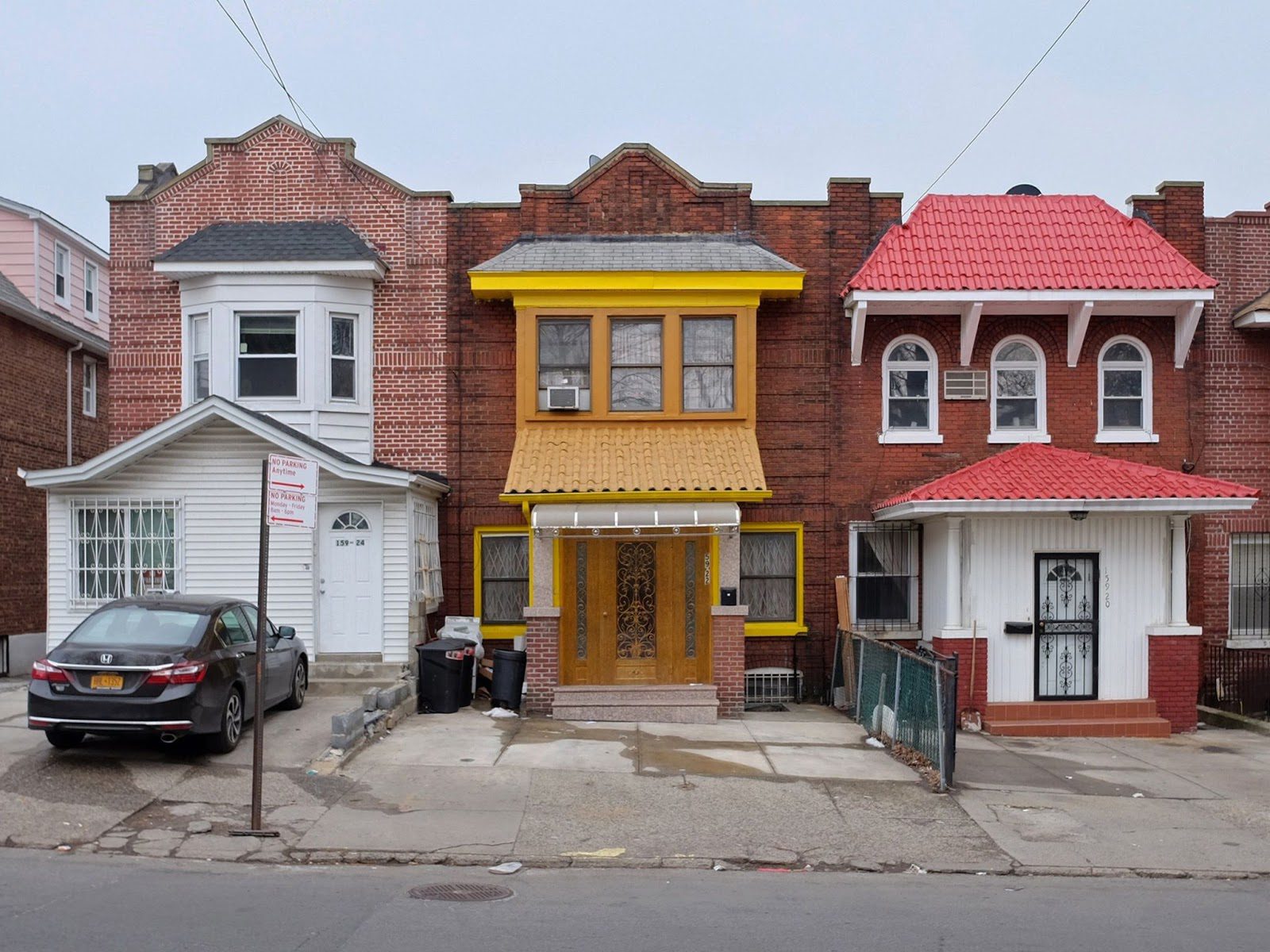
In 1898, the western boroughs of Long Island, Newtown, Jamaica, and Flushing were united to form the large borough of Queens, spanning five districts over an area of more than 360 square miles. The population reached three million, with most residents living in the southern part of Queens.
Queens includes historic towns with villages dating back to the 17th century, separated by fields and forests. The real architectural and construction boom occurred in the 1920s when the borough’s population increased by 130%. Rapid construction ensued, with more structures built than ever before in Queens’ history, initiating the first real estate speculation. The borough took confident steps toward a coordinated system of parks and private housing development. After the stock market crash, large-scale borough construction projects were developed during the Great Depression.
Architects began favoring styles such as Classicism, Art Moderne, Art Deco, and Streamline. Major landmarks illustrating these styles include the Triborough Bridge, Phipps Houses, Marine Terminal, Astoria Pool, Queens Museum of Art, Ridgewood Savings Bank, Bronx-Whitestone Bridge, Jackson Heights development, and Sunnyside Gardens.
Post-War Construction Boom
At the onset of World War II, Queens launched an active construction program developed by both public and private sectors. The program was first presented by the authorities in 1939, and shortly after its announcement, large residential complexes began to rise on former golf courses. A network of highways intertwined with the maze of local streets, as the borough prepared to host the World’s Fair.
Historical Research
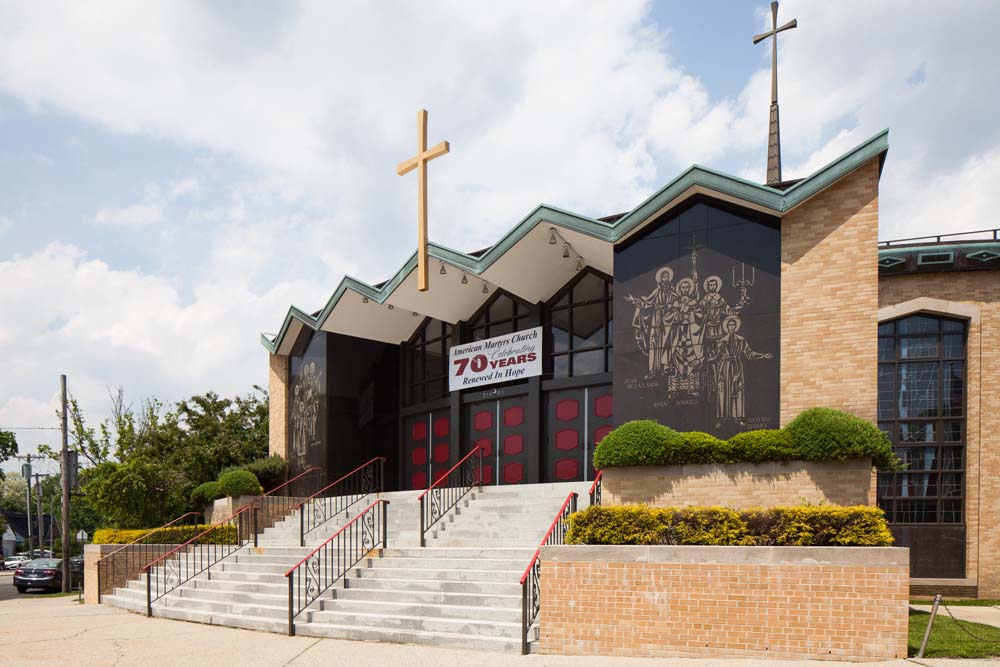
Mid-20th century Queens saw the prominent rise of Modernist architecture, as most buildings were constructed in this style. The period was marked by new ideas, materials, and technologies, resulting in the construction of aesthetically pleasing buildings and an improved quality of life. A notable example in Bayside, Queens, is the Roman Catholic Church of the American Martyrs.
The church stands out with its bas-relief design. It has a circular shape, constructed from yellow brick. High stairs lead to the entrance, adorned with red hexagonal doors, characteristic of Modernism. The building was designed by John Melly, Queens’ most successful church architect.
Historian Frampton Tolbert dedicated many years to studying the architecture of Queens, realizing that a majority of its buildings are in the Modernist style.
Tolbert began meticulously cataloging buildings and gathering the stories of architects still alive, as well as the people who commissioned the structures and those who use them today. Since many architects and offices no longer exist, he often relied on practitioners’ family members who sometimes kept blueprints and documentation related to the projects, most of which were never cataloged or recorded elsewhere.
The historian uncovered work from Coffey, Levine & Blumberg, a landscape architecture firm that operated from 1957 to 1970, established by Clara Stimson Coffey. The firm was the first to incorporate modern design styles in its projects, developing 30 parks, 20 playgrounds, and 10 residential buildings. Additionally, Tolbert found that Jackson Heights in Queens was a laboratory of new ideas in residential construction during the 20th century.