

Being New York City’s largest borough, Queens offers an extensive list of abandoned buildings—ranging from industrial sites to residential structures. These places have a unique energy, giving a vivid sense of the fleeting nature of time. They also attract supernatural enthusiasts and ghost hunters. Discover the most popular abandoned structures in Queens that once bustled with life on queens-future.com.
Creedmoor Psychiatric Center
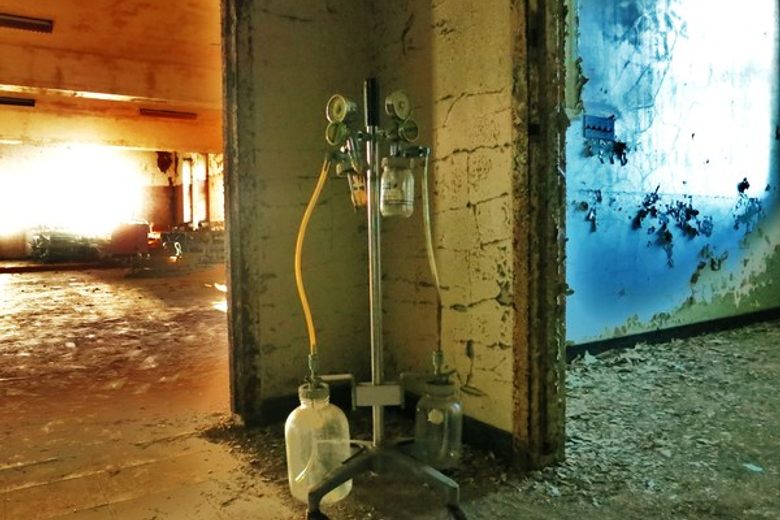
While part of the Creedmoor Psychiatric Center is still operational, Building 25 remains abandoned. This building was once a center for the mentally ill. Opened in 1912, the hospital initially served as a farming colony for Brooklyn State Hospital, with just 32 patients who worked the fields as part of their treatment.
Patients suffering from mental illnesses—many of whom dealt with psychosis and schizophrenia—were transferred to Building 25 from other city facilities. These socially isolated patients lived in an environment where they could work and receive medical and psychiatric care. City officials believed that the secluded location would promote recovery through fresh air, proximity to nature, and the “healing power of labor.”
However, the reality was far from idyllic. The facility has a dark history marked by tales of abuse and negligence. By the 1970s, the campus was riddled with crime. Within 20 months, there were three reported rapes, 22 assaults, 52 fires, 130 thefts, six suicides, a shooting, and a riot. The center shut down in 1984 after an employee struck a patient in the throat, causing his death.
The building’s floors remain covered with children’s toys, and traces of murals linger on the walls. The eerie atmosphere is intensified by a pervasive infestation of pigeons. Some rooms are filled with mattresses, wheelchairs, and medical equipment. Building 25 is situated across from Union Turnpike and is recognizable by its two smokestacks. Access is from Winchester Blvd, and much of the campus is open for drive-through exploration.
New York State Pavilion
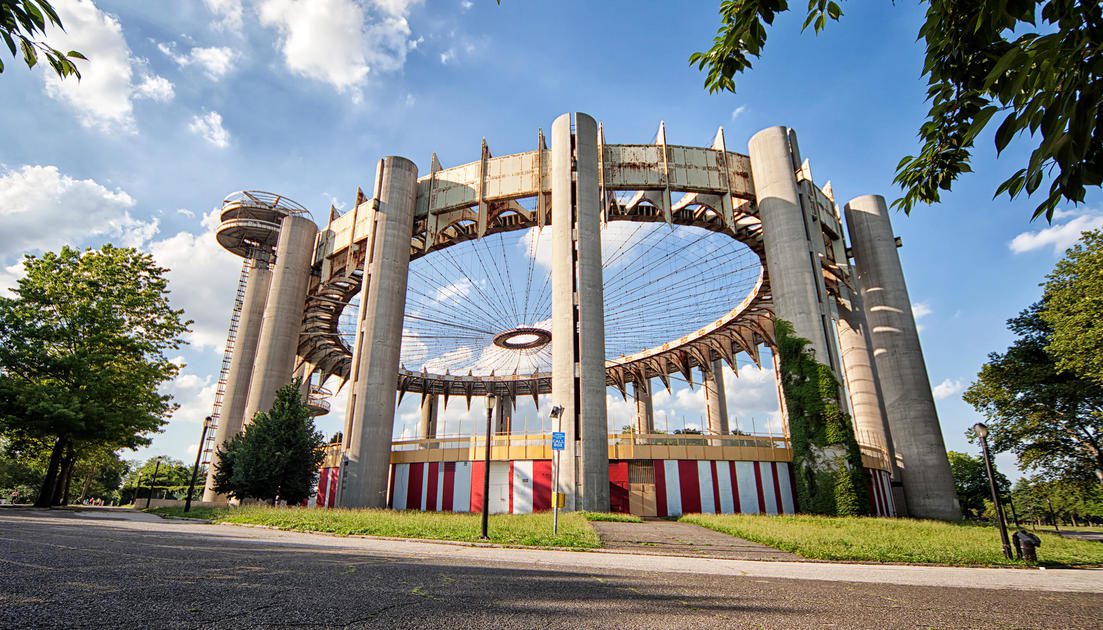
Built specifically for the 1964 World’s Fair in Flushing Meadows-Corona Park, the New York State Pavilion was an international fairground that symbolized industrialization and served as a showcase for technological advancements. This pavilion occupied the largest area at the fair, hosting concerts, discussions, and more. After the fair, the structure fell into disrepair. Despite a contract to demolish all structures within 90 days after the fair’s closure, the pavilion remained because demolition was prohibitively expensive.
Although there have been several unsuccessful attempts to restore the structure, it has stood empty for years. Intriguingly, scenes from movies like Men in Black and Iron Man 2 were filmed here, along with many other films, music videos, and television shows.
Flushing Meadows-Corona Park attracts visitors from across the city, who enjoy soccer, tennis, baseball, volleyball, and more. The park offers a wildlife conservation center, recreation center, skating rink, and an Olympic-sized indoor pool. Several walking and biking paths, as well as Meadow Lake for watersports, attract sports enthusiasts. This freshwater lake also hosts the annual Hong Kong Dragon Boat Festival, with rentable boats for paddling and kayaking. Row New York, a nonprofit, also trains here for much of the year.
Rockaway Bathhouse
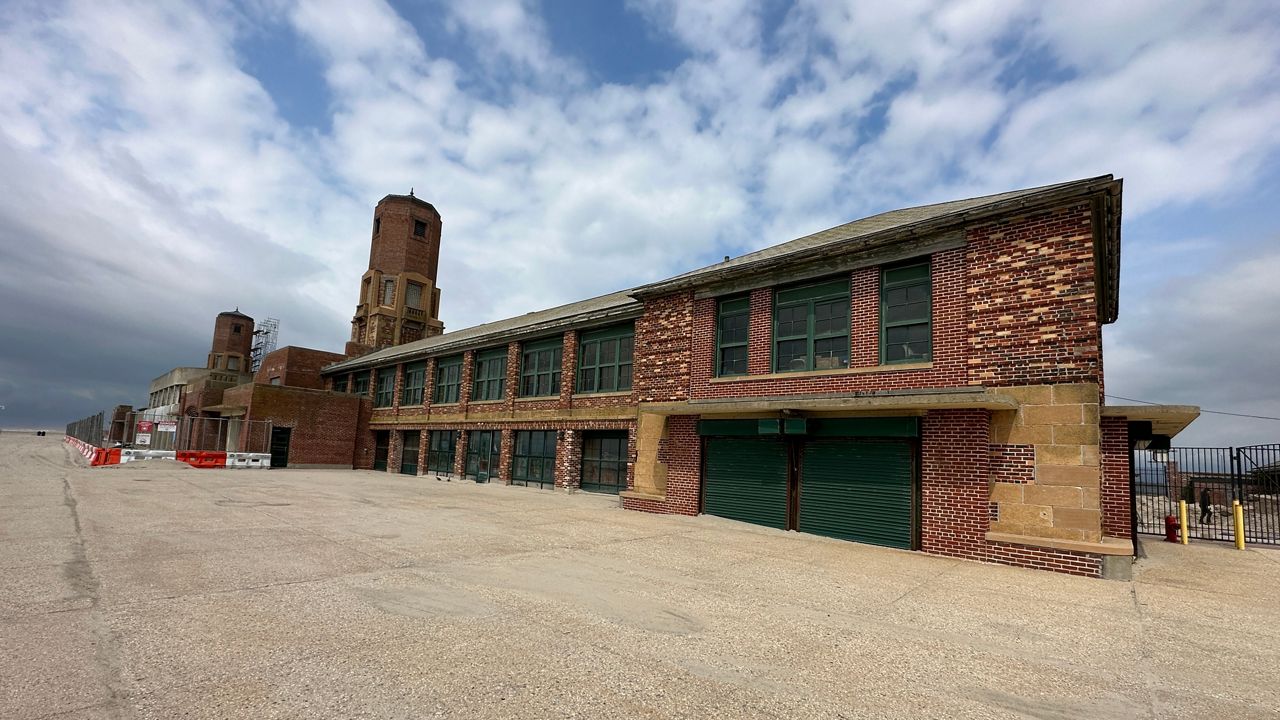
In Jacob Riis Park stands a massive, abandoned bathhouse in Art Deco style—a former recreational hub for Queens residents. Built in 1932, its elegant arches, two red-brick octagonal towers, and broad, curving changing rooms were reminiscent of Berlin’s vanished Tempelhof Airport.
Despite efforts by the city since the 1990s to revitalize the bathhouse, the structure fell into disrepair. Residents hoped for a vibrant waterfront space with cafes and shops. Although $20 million was spent on asbestos removal, plans ultimately failed. Hurricane Irene in 2011 worsened the building’s decay, and Hurricane Sandy a year later caused significant damage, collapsing one courtyard wall and shattering window frames and doors.
In 2018, a $4 million renovation transformed the courtyard into an extended beach area with food and drink offerings. In 2022, architects began work on a $50 million project to add a rooftop restaurant, first-floor café, beach bar, retail shops, event spaces, a courtyard pool, 28 hotel rooms, and a dining area.
The park, named after New York social reformer and documentary photographer Jacob Riis, is a popular destination with a renowned beach, golf course, and sports fields. During WWI, the park was home to Naval Air Station Rockaway, one of the first naval air bases in the U.S. Today, the beach is a gathering spot for the LGBTQ+ community, with events like Riis Pride organized by G.L.I.T.S., a nonprofit offering healthcare and housing to Black trans individuals.
Neponsit Beach Hospital
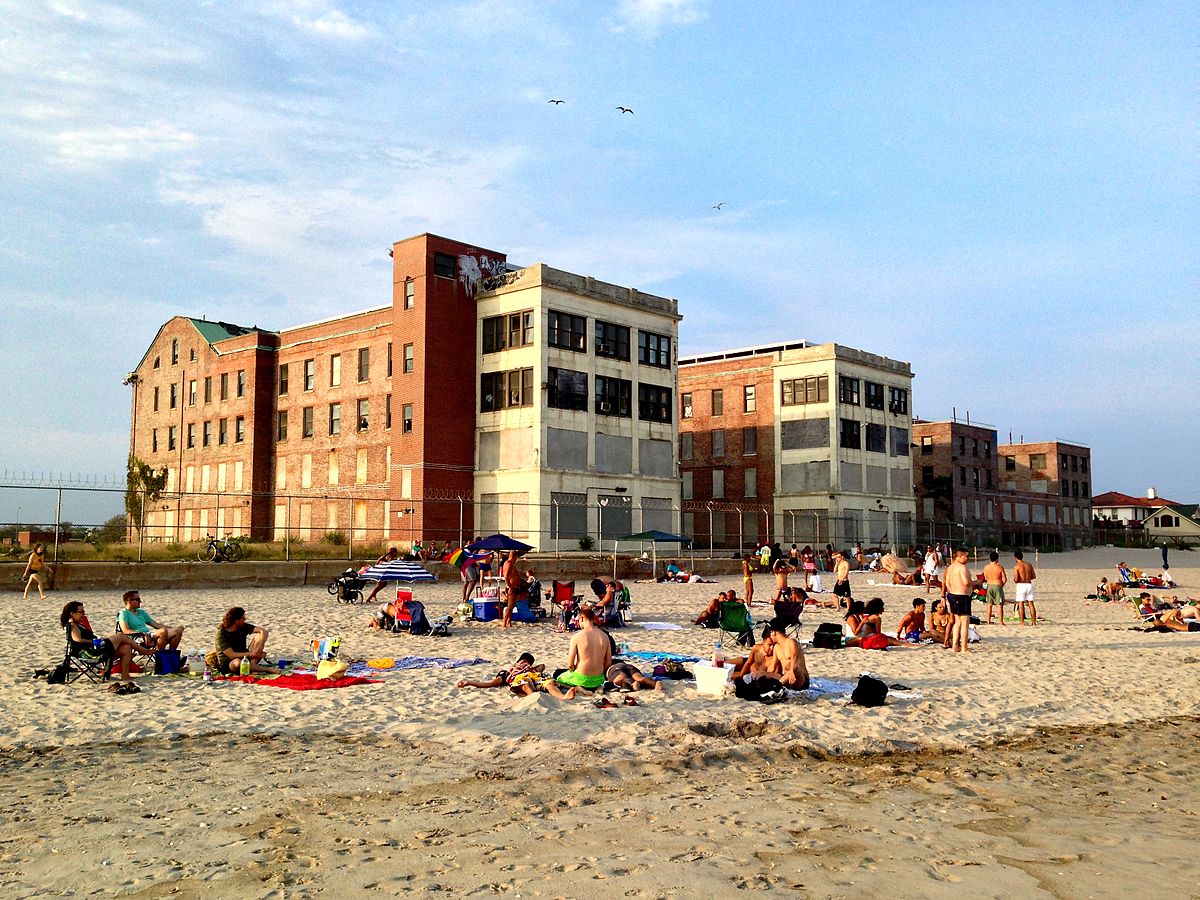
Adjacent to Jacob Riis Park and overlooking Rockaway Beach, Neponsit Beach Hospital is a desolate structure. Originally a tuberculosis sanatorium from 1915 to 1955, it primarily served children and veterans who benefitted from the Atlantic’s fresh air. Later, the facility was repurposed as a nursing home and hospital for Alzheimer’s patients.
In 1998, after a severe storm, the building was deemed at risk of collapse. Under the direction of Mayor Giuliani’s administration, all occupants were evacuated under the cover of night, with patients being bused to other nursing homes and hospitals. The abrupt evacuation was so distressing that two residents reportedly passed away, and another disappeared for weeks. Some speculate that this evacuation was a scheme to convert the prime beachfront property into a hotel. With no plans for restoration or redevelopment, the building has slowly deteriorated.