

Many people might not know that Queens, established on November 1, 1689, has long been one of New York City’s largest boroughs. Initially, the borough was even larger as it included Nassau County, stretching all the way to Suffolk. It wasn’t until January 1, 1898, that Queens, covering an area of 118 square miles, officially became one of New York City’s primary boroughs.
Read more about the history of horse racing in Queens on queens-future.
Horse Racing’s Roots in Queens
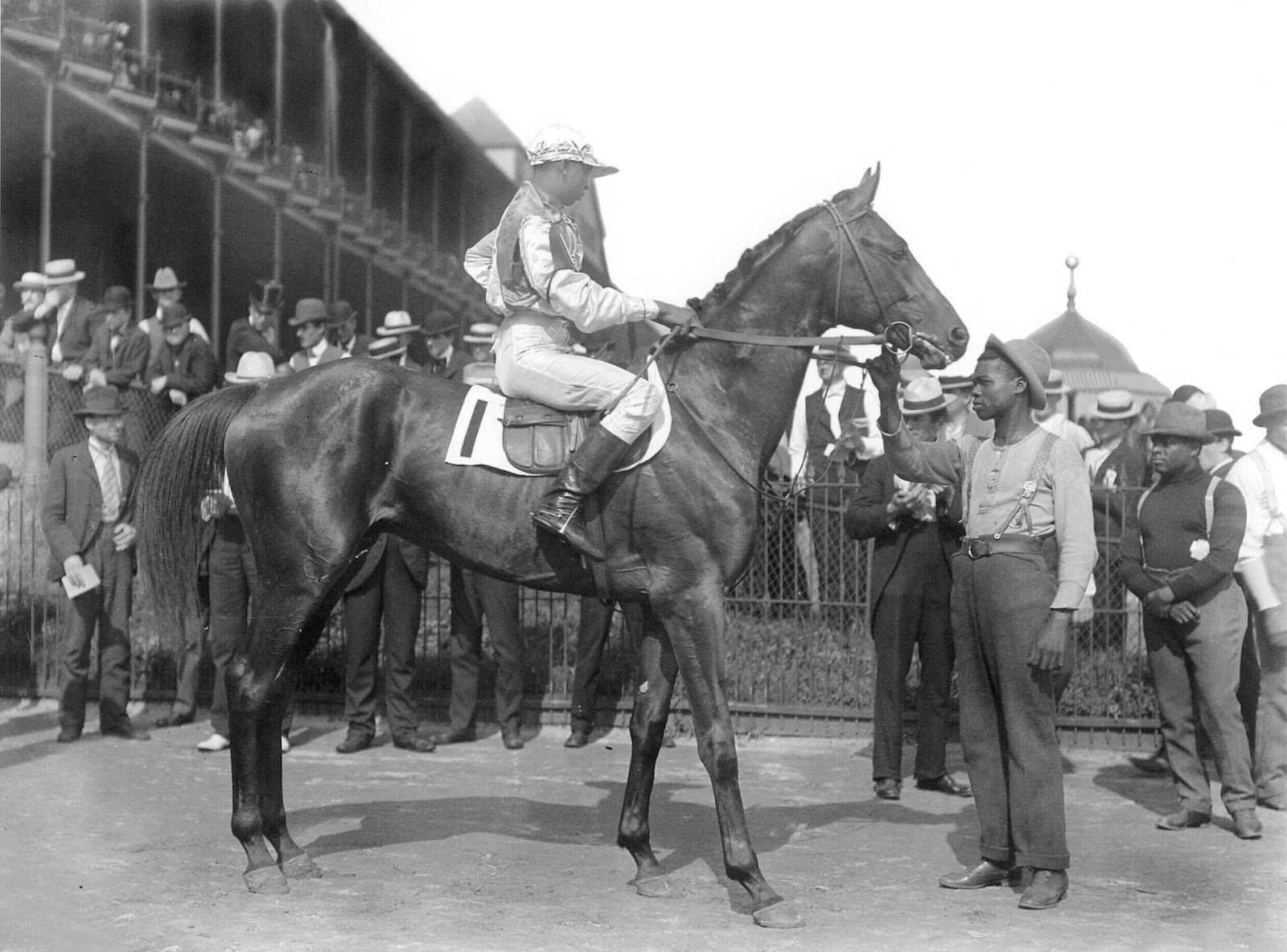
It’s believed that the sport of horse racing in North America began in Queens. After the Dutch surrendered under Peter Stuyvesant, whose administration was replaced by the English as part of their military spoils, Richard Nicolls became the governor of New York.
Under his administration, the first official racetrack in North America was established on the Hempstead Plains, near what is now Garden City, in Queens County. Long Island, which then included Queens County, became the cradle of American horse racing.
Unlike the Dutch, who focused primarily on trade and commerce, the English, especially the military, had a passion for horse racing. The English had already settled in the Long Island area, and Nicolls became the first official sponsor of a sports racing track, earning him the title of “founder of American horse racing.” Newmarket Field in Hempstead, formerly part of Queens, became the venue for these races, awarding the first trophies to winning horses.
Although Nicolls may not have been the most effective colonial governor, his efforts in promoting horse breeding had notable merit. His goal was to improve horse breeding skills, an area that had been largely neglected amidst the colony’s conflicts and shifts between Dutch and British control.
Several racetracks were established primarily for the enjoyment of British officers, who owned some of the best racing stock and had a keen interest in racing.
Union Course and Jamaica Racetrack
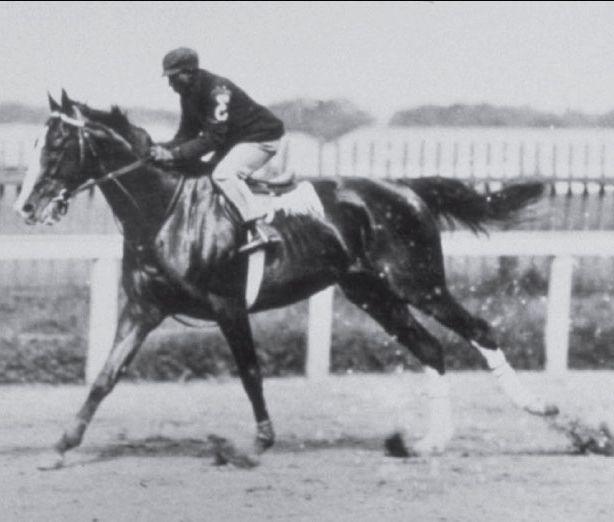
Union Course (1821) was one of the most prominent racetracks of the time, introducing dirt track racing, which later became standard. Women came to practice in carriages, and men rode on horseback. Without dedicated stands, spectators watched the races from their own carriages.
In 1823, Union Course hosted the famous “North-South” match race, with the horse Eclipse, a descendant of the famed American Thoroughbred Messenger, emerging as the victor.
Jamaica Racetrack opened in 1903 and soon became a premier site for metropolitan jockeys in Queens. Before its opening, the New York Times published an article mentioning that fans of the sport would be in for a treat on opening day, as they’d get to experience the newly built Excelsior Handicap track for the first time, which had been developed at a cost of $7,000.
Over time, the standards for racing changed, prompting the construction of larger stands, the arrival of professional racehorses, and the transformation of betting practices.
After the Civil War, horse racing continued at the Aqueduct Racetrack, the only one to survive. Belmont Park, which also made significant contributions to the history of American racing, still brings to life the spirit of those early racing days that began on the Hempstead Plains in Queens.