

Cable television arrived in Queens in the late 1940s. By 1957, people in Oklahoma were already watching the first premium-quality movies. In the 1960s, the number of televisions in New York grew, reaching nearly 60 million. Most early cable systems utilized a 12-channel VHF spectrum. Soon, viewers were offered alternative programming, marking a technological breakthrough at the time.
Commercial television stations began appearing in Queens and other boroughs, making cable a significant advantage for residents. For more details on the development of cable television in Queens and New York, read further on queens-future.
How It All Began
In the early 1960s, microwave channels allowed cable systems to transmit “out-of-town” channels, for which they charged an additional fee. By the end of the 1960s, premium, near-premiere movies were introduced for an even higher price. To deliver premium services to city residents, microwave transmission and broadband telephone lines were employed.
In 1962, cable television development in Queens took a significant step forward. Sterling Information Services, a subsidiary of Sterling Movies USA (later renamed Sterling Communications, Inc.), established a television studio and set up a coaxial cable system.
This system was connected through the Empire City Subway’s existing channels to various Manhattan hotels, offering tourists useful and engaging information. These broadcasts promoted local events and attractions worth visiting in New York City.
The success of this new service was particularly noticeable during the New York World’s Fair. Building on this achievement, Sterling applied for a permit to provide cable television services to residential buildings throughout Manhattan.
Cable Television Development
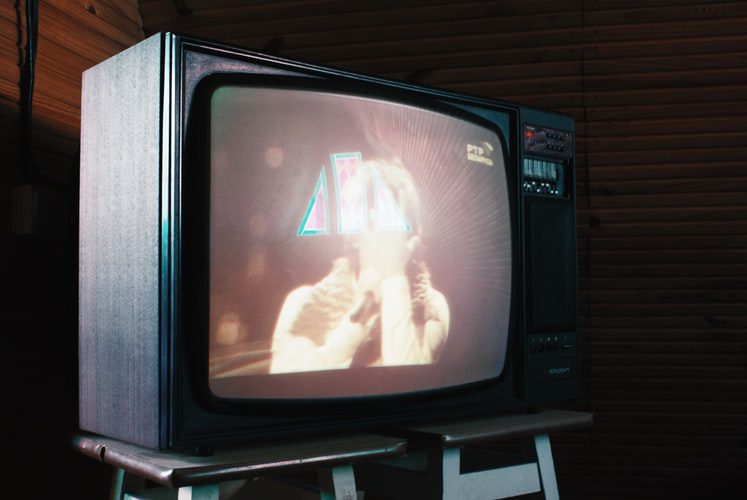
In 1965, the Budget Commission granted franchises to three companies for the implementation of this new system across New York City. These companies were authorized to install their equipment on all New York streets. However, wiring was costly, with over $2 million spent to connect just 40 blocks, serving only 500 subscribers. To fund this expensive process, Sterling Information Services sought investors, and Time Inc. responded to their call for support.
The development and potential of the new industry attracted numerous competitors, including Bell Telephone Company, which began offering its own cable services around Queens. However, the two officially authorized franchises, Sterling and TelePrompTer, protested, leading to a lawsuit against Bell.
To combat increasing competition, Sterling’s chairman, Charles F. Dolan, devised a plan to offer his subscribers a unique service. In 1965, sports games were not broadcast on television in New York. This meant that people who missed out on buying tickets couldn’t watch the games. Dolan began negotiations to secure the right to broadcast home games on the Sterling Manhattan Cable channel. This move attracted numerous new subscribers eager to watch home games of the Knicks and the Rangers.
Since 1972, cable television has become an integral part of pop culture. Despite having a large subscriber base in 1973, Sterling Communications faced challenges. That year, Time Inc., the company’s investor, acquired Sterling and continued to provide cable television services in New York City.